How Small Businesses Can Use Social Media Trends Without Losing Their Brand
Social media trends can help small businesses increase reach, connect with new audiences, and show more personality online. But participating in every viral moment can quickly make a brand feel forced or disconnected from the people it serves.
As a small business, you may see trends taking off on TikTok, Instagram, and other social media platforms and want to join in on the fun, without becoming the business that inserts itself into a pop culture moment in a way that feels forced or inauthentic. So, how can you participate in a way that still highlights and uplifts your business?
It can be a difficult balance to maintain, and it is something even experienced marketing teams continue to navigate. The urge to jump into a trend can be strong, even when it does not add meaningful value to your business. Marketing teams and entrepreneurs everywhere want to take advantage of increased reach and favorable algorithms, but sometimes restraint is the better strategy.
In this article, we will explore how to identify and analyze a trend, the questions you should ask before participating, and how to approach trends in a way that feels authentic to your brand. We will also look at examples of brands that have done it well.
Not Every Viral Moment Is the Same
Before deciding whether your business should participate, it helps to understand what type of content you are looking at. Trends, memes, viral moments, and evergreen formats often overlap, but they are not identical.
Trends are broader patterns in content, behavior, style, or conversation that gain momentum over time. This might include a recurring video format, a popular editing style, a type of humor, or a shift in how brands communicate online.
Memes are recognizable jokes, images, phrases, or formats that are repeated and adapted by different users. They often rely on shared cultural knowledge, which means timing and context matter.
Viral moments are specific events, clips, posts, or pop culture conversations that suddenly receive widespread attention. These moments may create opportunities for brands, but they can also disappear quickly or become oversaturated.
Trending audio and formats are reusable sounds, templates, prompts, or video structures that users adapt to their own content. These are often the easiest for businesses to participate in, as long as the final post still reflects the brand.
Evergreen content is not trend-dependent. Educational posts, customer stories, behind-the-scenes content, FAQs, and recurring series can remain relevant long after a trend has passed.
The distinction matters because each type requires a different approach. A trending format can often be adapted fairly easily, while a meme may fall flat if the brand does not understand the joke. A viral cultural moment may demand speed, but it may also require restraint. Evergreen content, meanwhile, provides the foundation that keeps a social media strategy from becoming entirely dependent on whatever is popular that week.

Identifying the “Right” Trends
A major part of identifying trends is maintaining a consistent presence on the platforms where they are happening.
That does not mean spending entire workdays on social media. Even scrolling for 20 to 30 minutes each day can expose you to emerging trends while providing inspiration and creative ideas for your own content.
Focus on the Platforms That Fit Your Business
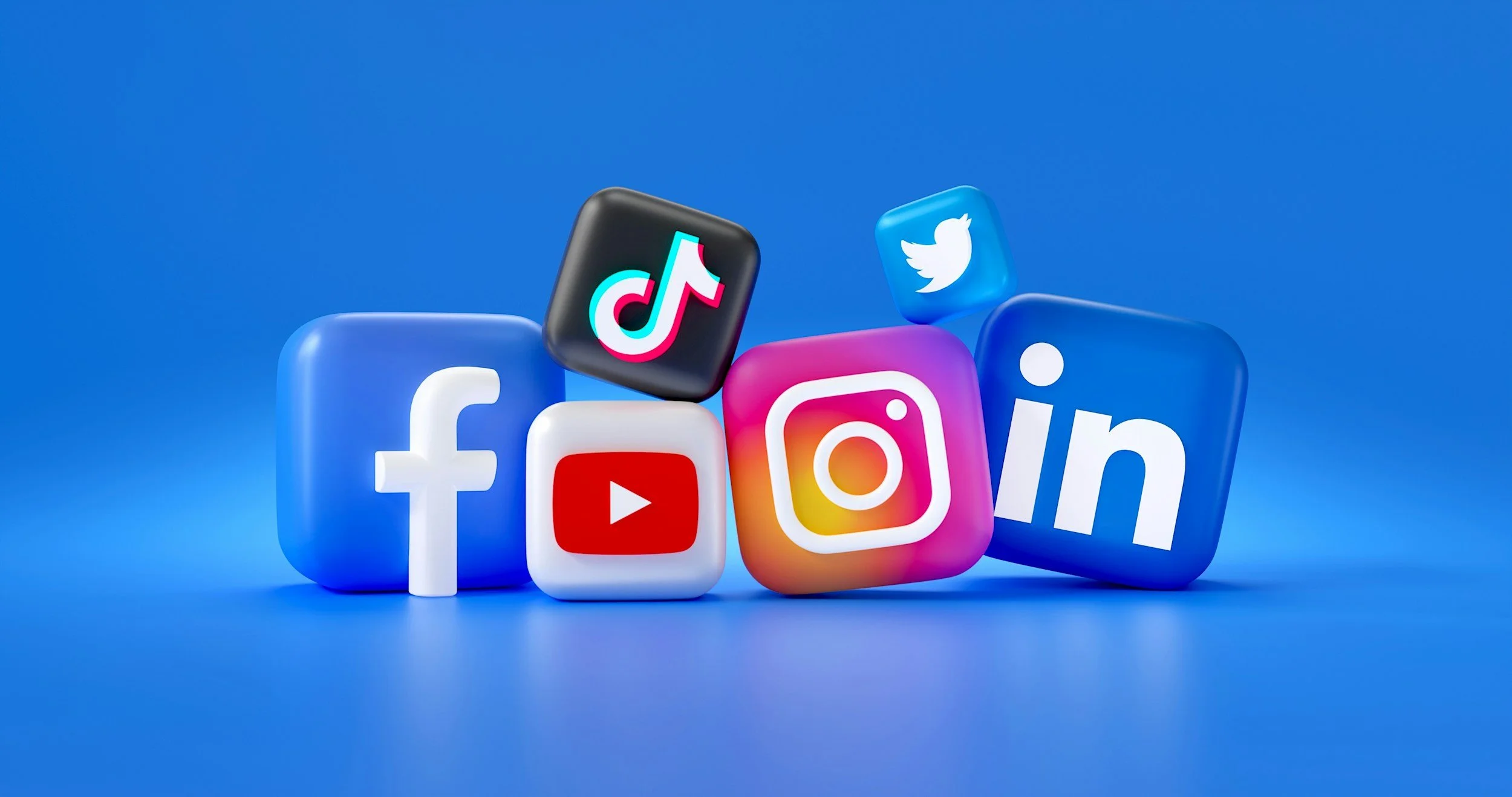
It is generally recommended that businesses maintain some presence across the five major social media platforms:
X, formerly known as Twitter
TikTok
Instagram
LinkedIn
Facebook
However, where you place the most focus will vary depending on your business and audience.
An e-commerce company, for example, may perform especially well on TikTok and Instagram, while a B2B business may find that LinkedIn produces the strongest engagement and results.
Return to the Five Ps of Marketing
This brings us back to the fundamental principles of marketing and the five Ps:
Product
Price
Place
Promotion
People
If you have not already identified your target market or segmented your customer base, that should be your first step.
Doing this work early can save your business time, energy, and money, particularly when it comes to social media marketing and participating in trends that genuinely connect with the people most likely to purchase your product or service.
Understand the Problem Your Product Solves
This process also requires a deeper understanding of your product or service, including the specific problem it solves for customers.
Sometimes, customers may even find uses for a product beyond its original purpose. Consider kitty litter, which may be marketed not only for pet care but also for creating traction under tires in the snow or absorbing oil spills.
Understanding the different ways customers value your offering can open the door to more creative and relevant content opportunities.
Test Your Content and Follow the Data
The next step is testing your content and analyzing the results.
Ask yourself:
Which platforms generate the most impressions?
Where are you seeing the most clicks?
Which posts receive the most comments?
What content earns the most shares or saves?
Where are you seeing the strongest overall mix of engagement?
Together, these metrics tell a story about what resonates with your audience, and it is important to listen to what the data is showing you.
Put more energy into studying and participating in trends on the platforms where your business already receives the most traction.
A trend should help build on an existing connection with your audience rather than becoming a temporary attempt to gain attention in a space where your brand does not naturally fit.
Look at Your Audience and Your Competitors
Finally, use your knowledge of your customer demographics to identify trends that align with their interests, behaviors, and values.
It can also be helpful to conduct a competitive analysis of businesses that serve similar audiences. Look at:
The platforms they use
The types of content they create
The trends they participate in
Where they appear to be finding success
What they are not currently doing
Better yet, identify a gap in their approach and find an opportunity for your business to be the first to fill it.
Understanding trends is only half the battle. The next question is whether a trend deserves a place in your brand at all. One of the best ways to answer that is by studying businesses that consistently get it right.
Examples: Successful Brand Stories
Sometimes the best way to learn is through observation. Like I mentioned earlier, investing time into simply observing to learn from competitors trials and errors can be extremely beneficial to your future endeavors on social media — and save you even more time and brand reputation.
In the past year, there have been several times a brand has joined in on a trend or trending topic and really hit the mark. I aimed to pull examples from varying industries, so hopefully any business owner reading this now can find something to take away.
Duolingo: A Masterclass in Brand Personality
Look, Duolingo is probably the most talked-about brand when it comes to social media marketing, so let's get it out of the way.
Their success isn't simply because they participate in trends. Plenty of brands do that. What makes Duolingo different is that they've spent years building a brand personality that audiences genuinely enjoy interacting with. Instead of feeling like a company trying to be funny, Duolingo feels like another creator on your "For You" page.
That distinction is important.
They Created a Character, Not Just a Logo
At the center of Duolingo's marketing is Duo—the sarcastic, chaotic, and oddly relatable green owl.
While Duo began as the mascot inside the language-learning app, the company gradually turned the character into a personality of its own. Today, Duo jokes with followers, reacts to internet drama, participates in trends, and even makes fun of the brand itself.
This approach allows people to engage with a character instead of a corporation, making the content feel much more natural and entertaining.
Many brands have successfully done something similar over the years:
Flo (Progressive)
Jake from State Farm
Jack (Jack in the Box)
LiMu Emu & Doug (Liberty Mutual)
Giving your audience a recognizable personality creates familiarity, which can make marketing feel less like advertising and more like entertainment.
Of course, simply creating a mascot doesn't guarantee success. Plenty of brands have mascots that people forget about. The difference is that Duolingo consistently invested in building Duo into a character people actually wanted to watch.
They Know Exactly Who They Are Talking To
One of the most important parts of Duolingo’s social media strategy is how clearly the company has identified its audience.
At its core, Duolingo is a language-learning platform, but the app is also structured much like a game. Users earn points, maintain streaks, move through levels, compete on leaderboards, and receive frequent reminders to return. That gamified experience gives language learning an engaging, and sometimes slightly addictive, quality.
Because of that, Duolingo’s audience is not limited to traditional students or people preparing for international travel. The platform also attracts younger users who are already comfortable with mobile games, online humor, short-form video, and highly interactive digital experiences.
This helps explain why so much of Duolingo’s social media marketing is geared toward Gen Z, which may initially seem surprising for an educational brand. Its TikTok presence rarely resembles conventional education marketing. Instead, it uses internet slang, celebrity references, absurd humor, trending sounds, and deliberately chaotic storytelling.
That strategy works because Duolingo is not simply asking, “How do we advertise a language-learning app?” It is asking, “What kind of content does our audience already choose to watch?”
The answer has shaped everything from Duo’s personality to the trends the brand participates in. Rather than attempting to make Gen Z interested in traditional educational content, Duolingo presents the brand in a format that already feels familiar to them.
Why Their Trends Feel Authentic
Take a look at some of Duolingo's recent TikToks.
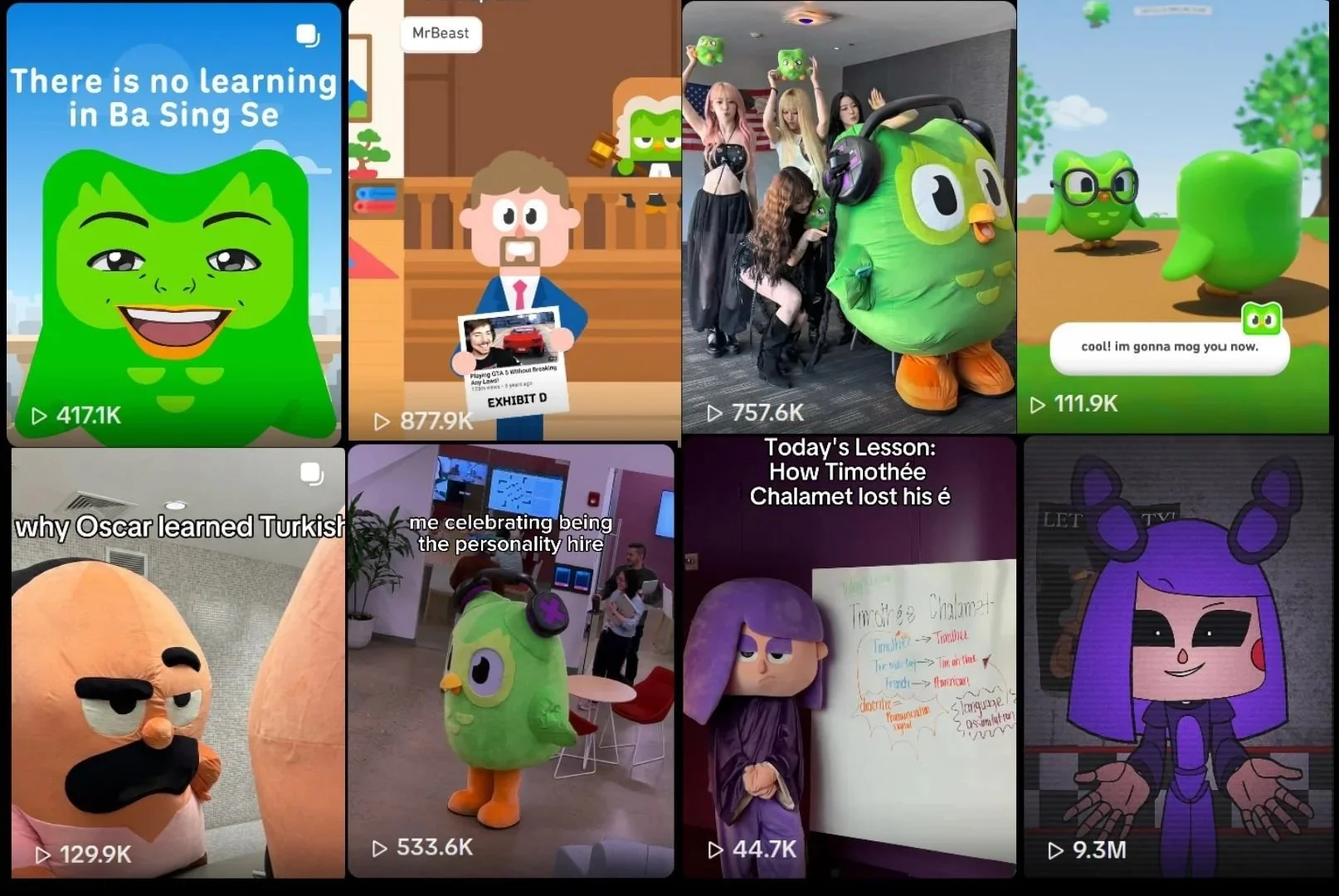
Notice that very few of these videos are actually about learning a language?
Instead, they're built around internet humor, trending audio, absurd situations, and pop culture references. Duo is shown dancing, making sarcastic jokes, interacting with celebrities, or pretending to have dramatic feuds with other brands.
On paper, many of these videos have almost nothing to do with language education, yet they never feel random.
That's because every trend is filtered through Duo's established personality. Followers already expect the owl to behave in ridiculous, over-the-top ways, so when a new trend appears, it feels like something Duo would naturally do rather than a company chasing views.
This is one of the biggest lessons small businesses can learn from Duolingo. They didn't become authentic by following trends. They earned the ability to participate in trends by first creating a brand personality that people understood and enjoyed.
Sparta Candles — People Connect With People
Not every business needs an animated mascot or a witty social media manager. Sometimes, the strongest brand personality is a real person.
That is exactly what Sparta Candle Co. discovered.
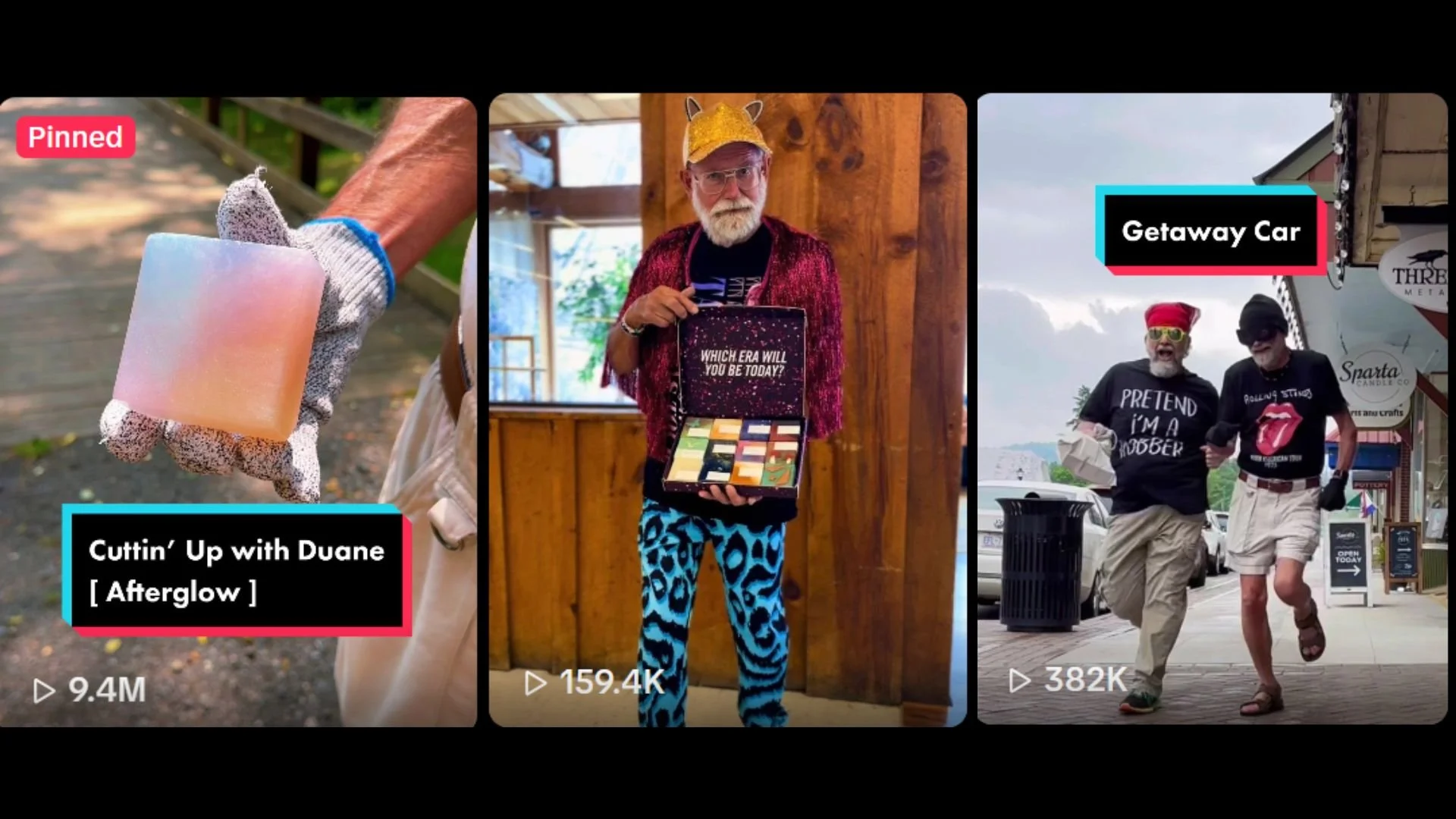
The family-owned candle and soap company originally experimented with a variety of TikTok content to see what would resonate with viewers. After dozens of videos, they noticed a pattern: every time founder Jennifer Swenk's father, Duane Swenk, appeared on camera, engagement skyrocketed. Rather than ignoring the data, they leaned into it and created the now famous "Cuttin' Up with Duane" series. Duane wasn't a trained influencer, he was simply himself.
His calm voice, dry sense of humor, storytelling, and genuine personality became the brand's greatest marketing asset. Instead of watching a company sell soap, viewers felt like they were visiting with someone they already knew.
That authenticity is difficult to manufacture, and audiences can tell the difference.
They Didn't Force Trends
One of the best examples of this is Sparta Candle Co.'s embrace of Taylor Swift fandom.
Rather than simply posting about the Eras Tour because it was trending, the company developed an entire collection of Taylor Swift-inspired soaps and candles. More importantly, they let Duane become part of that story. His genuine excitement for Taylor Swift, friendship bracelet exchanges, and enthusiastic participation in Swiftie culture became recurring themes that audiences loved. The result felt less like a business capitalizing on a cultural moment and more like watching a favorite internet personality share something he truly enjoyed.
That distinction matters.
People weren't sharing the videos because they wanted soap. They were sharing Duane.
The Lesson for Small Businesses
Sparta Candle Co. reminds us that people connect with people before they connect with businesses.
Not every company has a "Duane," and not every owner wants to become the face of their brand. That's perfectly okay, the lesson isn't that every business should put someone on camera.
The lesson is to identify what your audience naturally gravitates toward and have the confidence to lean into it. For Sparta Candle Co., that happened to be an authentic, kind-hearted father who enjoyed cutting soap, telling stories, and unexpectedly becoming TikTok's favorite Swiftie.
They didn't manufacture a personality for social media, but they recognized the one their audience had already fallen in love with.
Cactus Bar: Local Relevance Over Mass Reach
One of the biggest misconceptions surrounding social media marketing is that success is measured by going viral. While millions of views may be exciting, they are not necessarily the goal for every business.
Take Cactus Bar in downtown Boise, Idaho for an example.
At first glance, their Instagram numbers may not rival those of a national brand and they don't need to. In fact, when you consider that they are a single bar serving one city, their engagement is incredibly impressive.
For a local business, the audience is naturally limited. The goal isn't to reach someone in Florida or New York; it's to reach people in Boise who are deciding where to meet friends after work, celebrate a birthday, or spend a Friday night.
That shift in perspective completely changes how success should be measured.
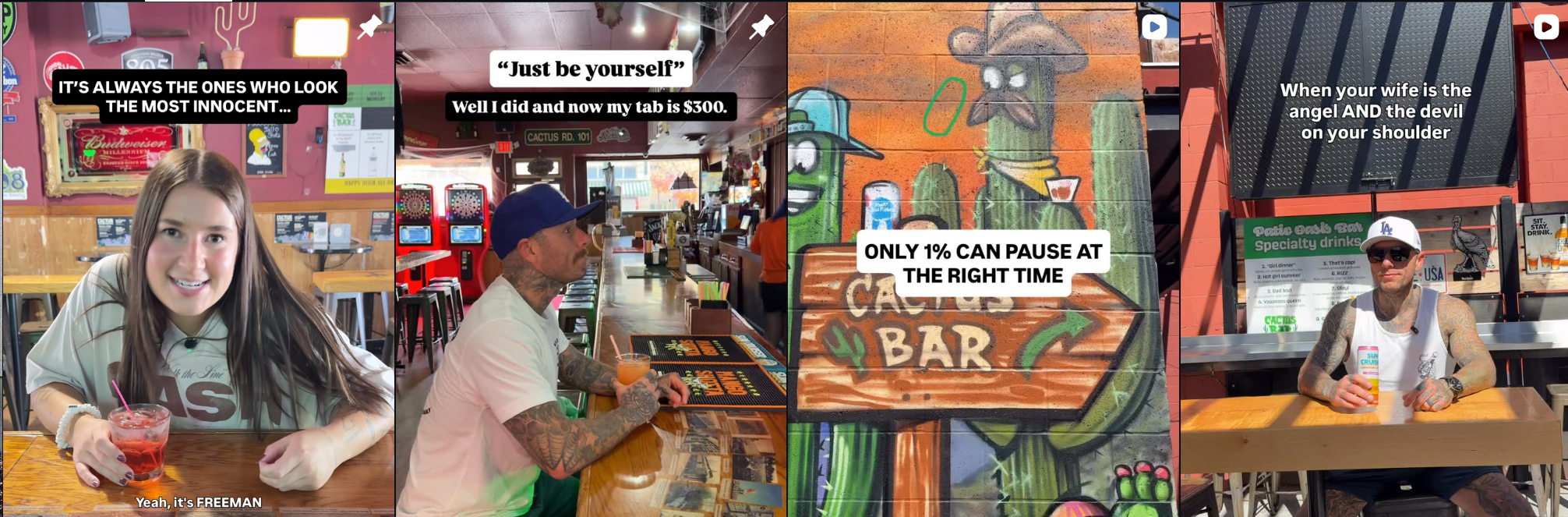
What makes Cactus Bar's content successful is that it feels like it belongs to Boise.
Their content doesn't try to appeal to everyone. Instead, it leans into the shared experiences, humor, and culture that resonate with people who already know the downtown scene. Followers see familiar locations, inside jokes, recognizable situations, and content that feels authentic to the business rather than manufactured for the algorithm.
This creates something many businesses overlook: community.
People begin tagging their friends, commenting with inside jokes, and sharing posts because they see themselves in the content, not because the business is trying to chase the latest viral moment.
While many businesses ask, "How can we make this trend go viral?" Cactus Bar asks a different question:
"How can we make this trend relatable to the people who actually walk through our doors?"
That difference is what makes the content feel authentic.
Trends Come & Go. Your Brand Shouldn't.
Although Duolingo, Sparta Candle Co., and Cactus Bar are very different businesses, they all follow the same fundamental principle.
They don't begin with the trend, instead they begin with their audience.
Only after understanding who they're speaking to do they decide whether a trend fits their brand.
Instead of copying content that is already performing well, they adapt trends to reflect their own personality, voice, and community. That is why their content feels natural rather than forced.
Social media trends will continue to evolve, algorithms will continue to change, and new platforms will emerge. What won't change is the importance of understanding your audience.
The businesses that consistently succeed aren't the ones chasing every viral moment. They're the ones that know who they are, who they serve, and how to participate in conversations without losing their identity.
Whether your brand looks more like Duolingo, Sparta Candle Co., or your favorite local business, the principle is the same: trends should amplify your brand, not become it. When you lead with authenticity, understand your audience, and choose trends intentionally, you build something far more valuable than a viral post. You build trust, recognition, and a community that wants to keep coming back.
Key Takeaways
Before your business joins the next social media trend, ask yourself:
Who is our audience, and would they actually care about this trend?
Does this fit our brand's personality and values?
Can we contribute something original instead of simply copying what others have done?
Will this still represent our business well after the trend has passed?
Are we chasing views, or are we building relationships with potential customers?
Social content is most effective when it reflects the same personality customers encounter across your website, branding, and customer experience. The businesses that consistently succeed on social media are rarely the ones chasing every trend. They are the ones that understand their audience well enough to know which trends deserve their attention and which ones are better left alone.